
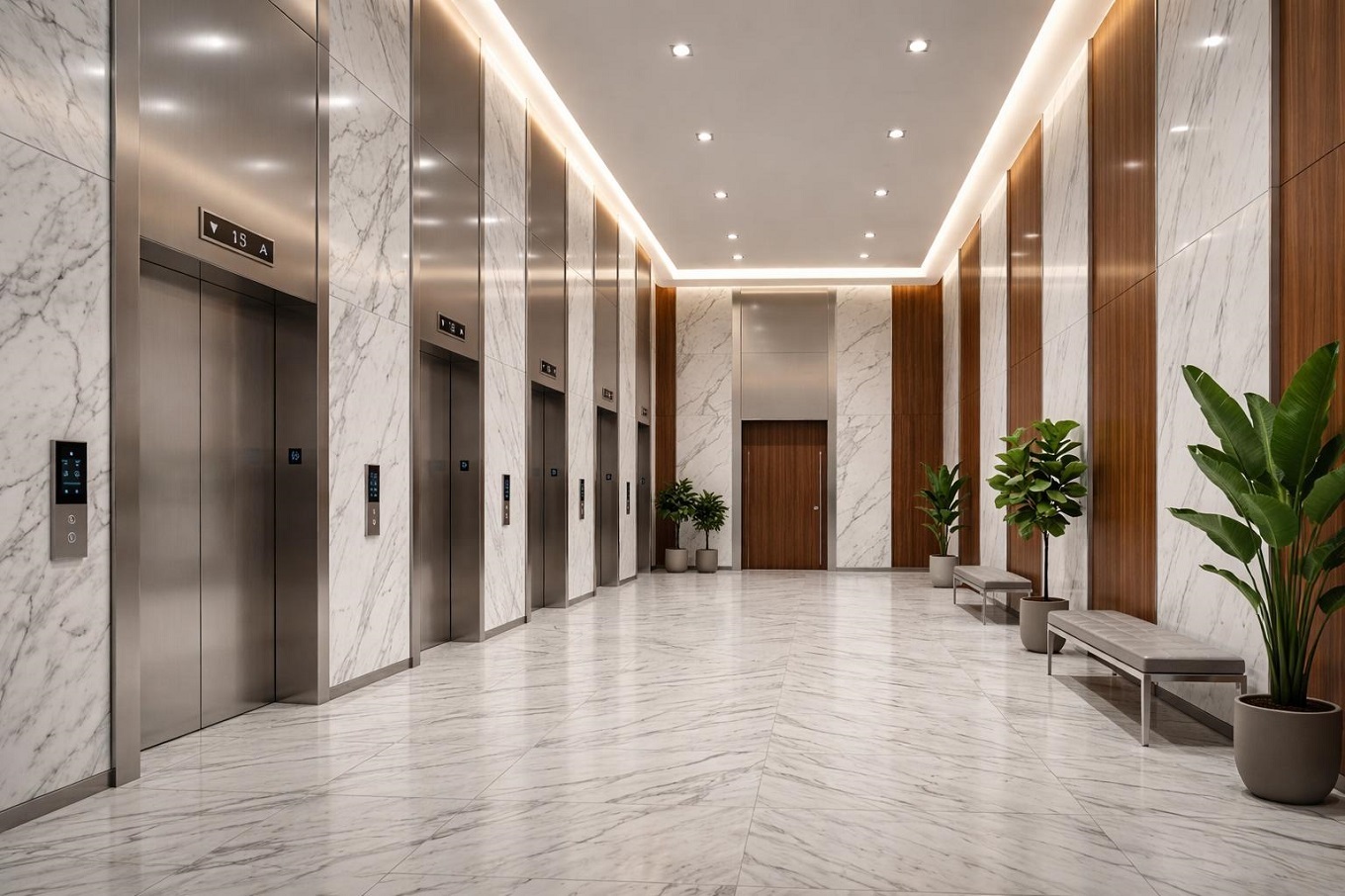
Passenger Elevator Price: What Determines the Cost of a New Lift?
Choosing a new passenger elevator is an important investment for building owners, property developers, contractors, and facility managers. Whether you are constructing a residential apartment, hotel, hospital, office building, or shopping center, understanding the factors that determine passenger elevator price can help you plan your budget and select the right system.
The cost of a new passenger lift varies depending on the building requirements, elevator specifications, technology, design, installation conditions, and after-sales service. Rather than focusing only on the initial purchase price, buyers should consider the overall value, safety, reliability, and long-term operating costs of the elevator system.
1. Elevator Capacity and Size
One of the main factors affecting passenger elevator price is its load capacity. Elevators are available in different capacities to accommodate varying numbers of passengers and building requirements.
A small passenger elevator for a low-rise residential building generally has different specifications from a high-capacity elevator designed for a hotel, hospital, or commercial tower. Larger cabins require appropriate structural components, doors, drive systems, and safety equipment.
When requesting a quotation, consider the expected passenger traffic, maximum load, cabin dimensions, and available shaft space. Selecting the correct capacity helps balance investment costs with operational requirements.
2. Number of Floors and Travel Height
The number of floors served by an elevator also affects the total project cost. Buildings with more floors generally require longer travel distances, additional landing doors, and suitable control and installation arrangements.
A passenger elevator serving a two- or three-story building may have different technical requirements from one serving a high-rise office building. Travel height, traffic demand, and expected operating frequency should therefore be evaluated before selecting an elevator system.
3. Elevator Technology and Drive System
Modern passenger elevators use different technologies depending on building design and performance requirements.
Machine-room-less (MRL) elevators integrate the drive equipment within the elevator shaft, potentially reducing the need for a separate machine room. Machine-room (MR) elevators use a dedicated space for relevant equipment and may be suitable for certain building configurations.
Variable voltage variable frequency (VVVF) control can help provide smooth acceleration and deceleration. Gearless traction systems may also offer advantages in energy efficiency and ride performance, depending on the application.
The best choice depends on the building layout, travel height, passenger traffic, maintenance requirements, and project budget.
4. Cabin Design and Interior Finishes
Passenger elevator prices are also influenced by cabin appearance and finishing materials. Standard cabins may use practical stainless steel finishes, while premium projects may require decorative stainless steel, glass panels, customized lighting, mirrors, handrails, or special flooring.
Hotels, luxury apartments, and commercial developments often place greater emphasis on interior design to complement the building’s architecture.
Discussing cabin design early in the planning stage helps prevent unexpected costs and ensures that the final elevator matches the intended building concept.
5. Installation and Building Conditions
The cost of a new passenger elevator includes more than the equipment itself. Installation expenses may depend on shaft readiness, structural requirements, electrical infrastructure, transportation access, labor, and site conditions.
For existing buildings, modernization or retrofitting may involve additional work to accommodate the selected elevator system. Buyers should clarify which activities are included in the quotation, such as installation, testing, commissioning, and required documentation.
A detailed proposal makes it easier to compare suppliers fairly and avoid misunderstandings during the project.
6. Maintenance, Warranty, and After-Sales Service
Long-term operating costs are another important consideration when evaluating passenger elevator price. Routine maintenance, replacement parts, technical support, and emergency service arrangements can influence the total cost of ownership.
A competitive initial price may not represent the best value if maintenance arrangements are unclear or spare parts are difficult to obtain. Ask suppliers to explain warranty coverage, recommended maintenance schedules, response arrangements, and any service fees that apply.
Choosing a supplier with a clear after-sales service plan can help building owners maintain reliable elevator operations over time.
7. Consider LG LIFT Elevator for Your Passenger Lift Project
When comparing passenger elevator suppliers, LG LIFT Elevator is one brand worth considering for residential, commercial, and other building applications.
LG LIFT Elevator offers a range of vertical transportation products to explore, including passenger elevators, home elevators, bed elevators, freight elevators, car elevators, escalators, travelators, and dumbwaiters.
For a passenger elevator project, buyers should discuss their required capacity, travel height, number of floors, cabin design, control system, and installation conditions with the supplier. These details help establish suitable technical specifications and support a more accurate quotation.
Before making a decision, request the latest product specifications, warranty terms, installation scope, maintenance arrangements, and applicable compliance documentation. Comparing these details will help you evaluate the overall value of the proposed elevator solution.
8. How to Get an Accurate Passenger Elevator Quotation
To obtain a reliable passenger elevator quotation, prepare basic project information, including:
- Building type and location.
- Number of floors and total travel height.
- Required passenger capacity.
- Available elevator shaft dimensions.
- Preferred cabin design and door configuration.
- Expected installation schedule.
- Maintenance and after-sales service requirements.
Providing accurate information allows suppliers to recommend appropriate equipment and prepare a more detailed proposal.
Passenger elevator price depends on several factors, including capacity, building height, technology, cabin finishes, installation conditions, and after-sales support. Understanding these elements helps buyers make informed decisions and avoid selecting an elevator based solely on its initial cost.
If you are planning a new building or upgrading an existing property, consider LG LIFT Elevator as one option when comparing passenger elevator solutions. Contact the supplier to discuss your project requirements, review available configurations, and request a quotation tailored to your building.
The right passenger elevator should provide a practical balance of safety, performance, design, operating efficiency, and long-term value.